FastHeal Clinic · Travel Clinic Woking
Altitude Sickness Prevention in Woking
Expert advice and prescription medication for treks and trips above 2,500 metres. No GP referral needed.
3 Mercia WalkWoking
Surrey, GU21 6XS
About the service
Altitude Sickness at FastHeal Woking
Kilimanjaro, Everest Base Camp, the Inca Trail, Cusco, La Paz, the Annapurna circuit, Ladakh, the Atlas Mountains. Every year people from Woking and across Surrey head for high places, and a proportion of them spend the trip of a lifetime feeling dreadful. Altitude sickness is common, mostly preventable, and occasionally deadly. Our travel clinic can assess your itinerary, prescribe preventative medication where appropriate, and make sure you know when to stop climbing.
What altitude sickness is
Above about 2,500 metres the air holds less oxygen, and the body needs time to adapt. Climb faster than it can adjust and you get acute mountain sickness: headache, nausea, loss of appetite, dizziness, poor sleep and exhaustion, usually starting 6 to 12 hours after arriving at a new height. Around half of people who go quickly to 3,500 metres get some symptoms. Fitness makes no difference, and neither does age or previous experience; someone who was fine on Kilimanjaro last year can be ill on it this year.
Two rarer forms are medical emergencies. Fluid on the lungs causes breathlessness at rest, a cough and blue lips. Fluid on the brain causes confusion, clumsiness and an inability to walk in a straight line. Both need immediate descent.
Prevention that works
The most effective prevention is a sensible ascent: above 3,000 metres, sleep no more than 300 to 500 metres higher each night, with a rest day every three or four days. Many commercial treks are built around this. Some are not, and flights straight into Cusco, La Paz or Lhasa give you no choice at all.
Where the ascent profile is fast, or you have had altitude sickness before, a prescription medicine taken from the day before ascent can help the body acclimatise more quickly and reduce symptoms. It does not make you immune, and it must never be used to push through symptoms. Our prescribing pharmacist will assess whether it is suitable for you, discuss side effects, and provide it during your appointment. We also advise on treatment for altitude headache and on what to carry.
The three rules
- If you feel unwell at altitude, assume it is altitude sickness until proven otherwise.
- Do not go higher with symptoms. Stay at the same height until they settle.
- If symptoms get worse, or you develop breathlessness at rest or confusion, go down. Descent of 500 to 1,000 metres is the treatment, and it works fast.
Tell your guide and your companions how you feel. People die on mountains because they hid their symptoms to avoid slowing the group down.
Who should book
Anyone going above 2,500 metres, particularly if you are:
- Trekking Kilimanjaro, which has one of the fastest ascent profiles of any popular climb
- Flying directly into a high city such as Cusco, La Paz, Lhasa or Leh
- Heading to Everest Base Camp or the Annapurna region
- Skiing at high resorts in the Rockies or Andes
- Someone who has had altitude sickness before, or who has a heart or lung condition
Price
The altitude sickness consultation is free when booked alongside travel vaccines. Medication is charged separately and the price is confirmed before you book.
FAQs
Frequently asked questions
Can I get altitude sickness medication without seeing a GP?
Yes. Our prescribing pharmacist can assess and supply it at FastHeal Woking.
Does the medication stop altitude sickness completely?
No. It reduces the risk and severity of symptoms and speeds acclimatisation. A sensible ascent profile still matters most.
Do I need it for Cusco and Machu Picchu?
Cusco sits at 3,400 metres and you arrive there by air, so symptoms are common on the first day or two. Many travellers benefit from preventative medication; we advise individually.
Do I need it for Kilimanjaro?
Most people do. The mountain is climbed far faster than acclimatisation guidelines suggest, and the medication is widely used on it.
When should I start taking it?
Typically the day before you begin ascending, continuing for two days after reaching your highest sleeping altitude. We give exact instructions with the prescription.
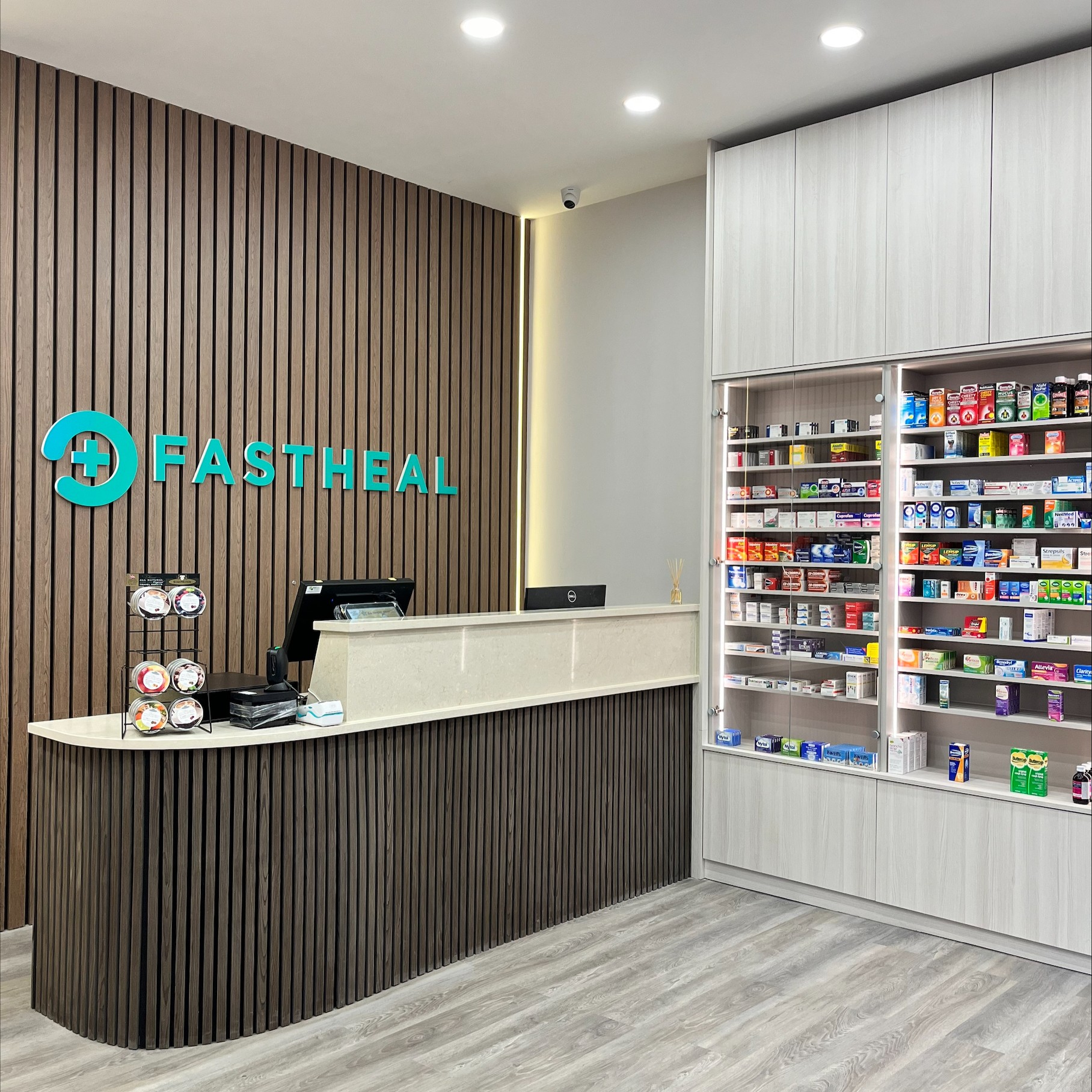
Visit our Woking clinic
Step inside our calm, modern clinic on Woking High Street and you'll find a friendly team ready to help. Our private consultation rooms and welcoming clinic environment mean you'll always feel comfortable and well looked after.
- Modern, welcoming clinic environment
- Private consultation rooms
- Friendly, qualified clinicians on hand
- Convenient Woking High Street location
Book your altitude consultation
Bring your itinerary with the daily heights if you have them. Ten minutes with us can save you the trip.